
February 20, 2026
Why Pixel Pitch Matters: Is P16 LED Technology Obsolete in 2026?
Don’t let blurry visuals ruin your brand. Learn why pixel pitch is the most critical factor in LED display quality and why the industry-standard P16 is falling behind modern high-resolution alternatives.
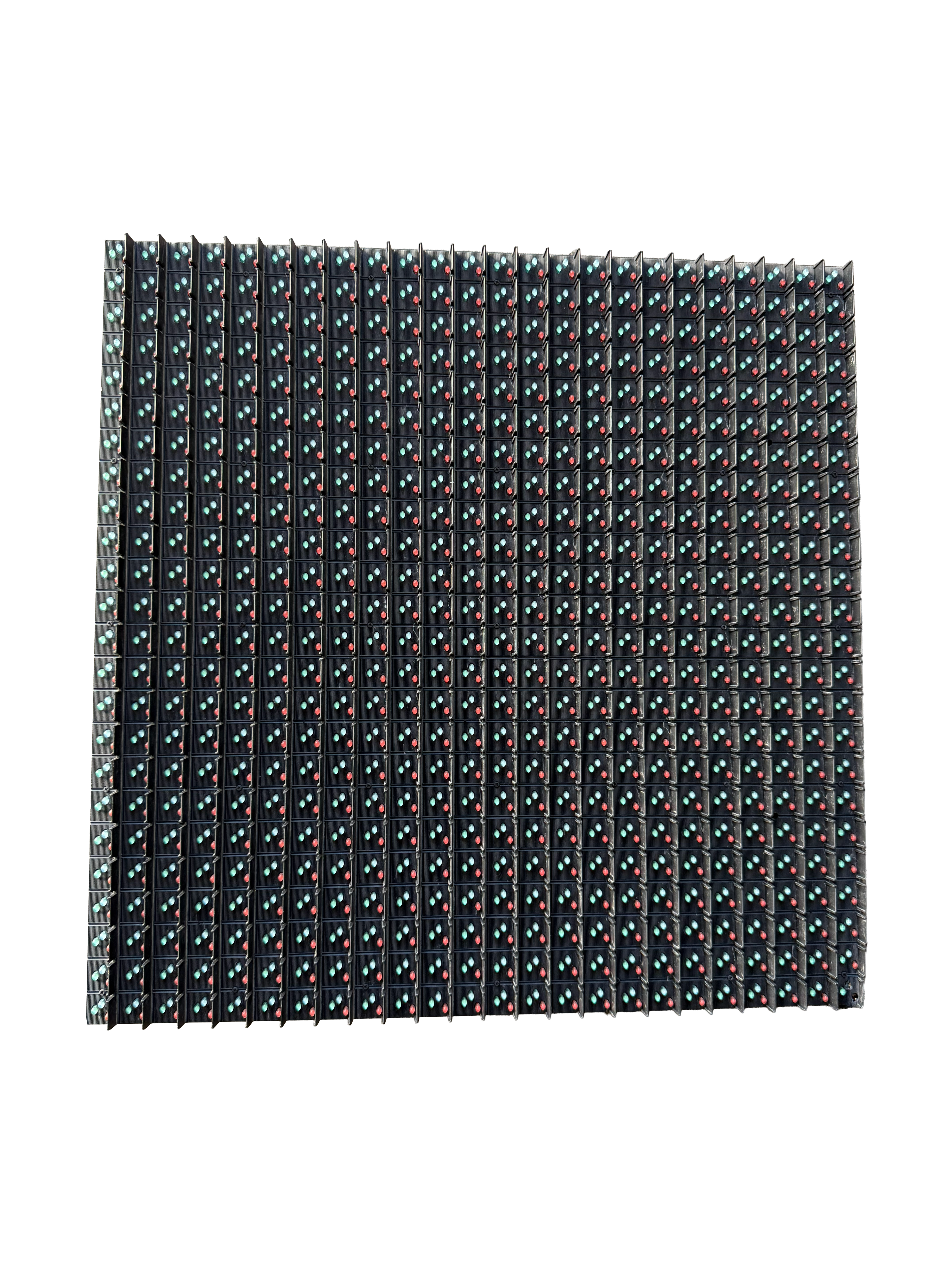
Size Isn't Everything
Why Pixel Pitch is the "Resolution King" in 2026
In the world of LED displays, there is a term that gets tossed around more than "synergy" in a boardroom: Pixel Pitch. But unlike corporate buzzwords, pixel pitch actually dictates whether your content looks like a cinematic masterpiece or a blocky game of 1980s Tetris.
What Exactly is Pixel Pitch?
Pixel pitch is the distance (usually in millimeters) from the center of one LED cluster to the center of the next. Think of it as the "density" of your screen.
- Small Pitch: More pixels, higher resolution, closer viewing distance.
- Large Pitch: Fewer pixels, lower resolution, further viewing distance.
The "Standard" P16: A Relic of the Past
For a long time, the 16mm (P16) pitch was the industry workhorse. It was affordable, rugged, and "good enough" for billboards seen from 100 feet away. However, as our smartphones and home TVs reach 4K and 8K resolutions, our eyes have become "spoiled." We notice blurriness faster than ever before.
The P16 is no longer the safe bet; it’s a liability. Here’s why:
| Feature | Legacy P16 | Modern P4 - P10 |
|---|---|---|
| Image Clarity | Pixelated & Grainy | Sharp & Fluid |
| Minimum Viewing Distance | ~16 Meters (52 ft) | ~4-10 Meters (13-32 ft) |
| Content Versatility | Only bold text/simple logos | High-def video & small text |
Why New Technology Demands Better
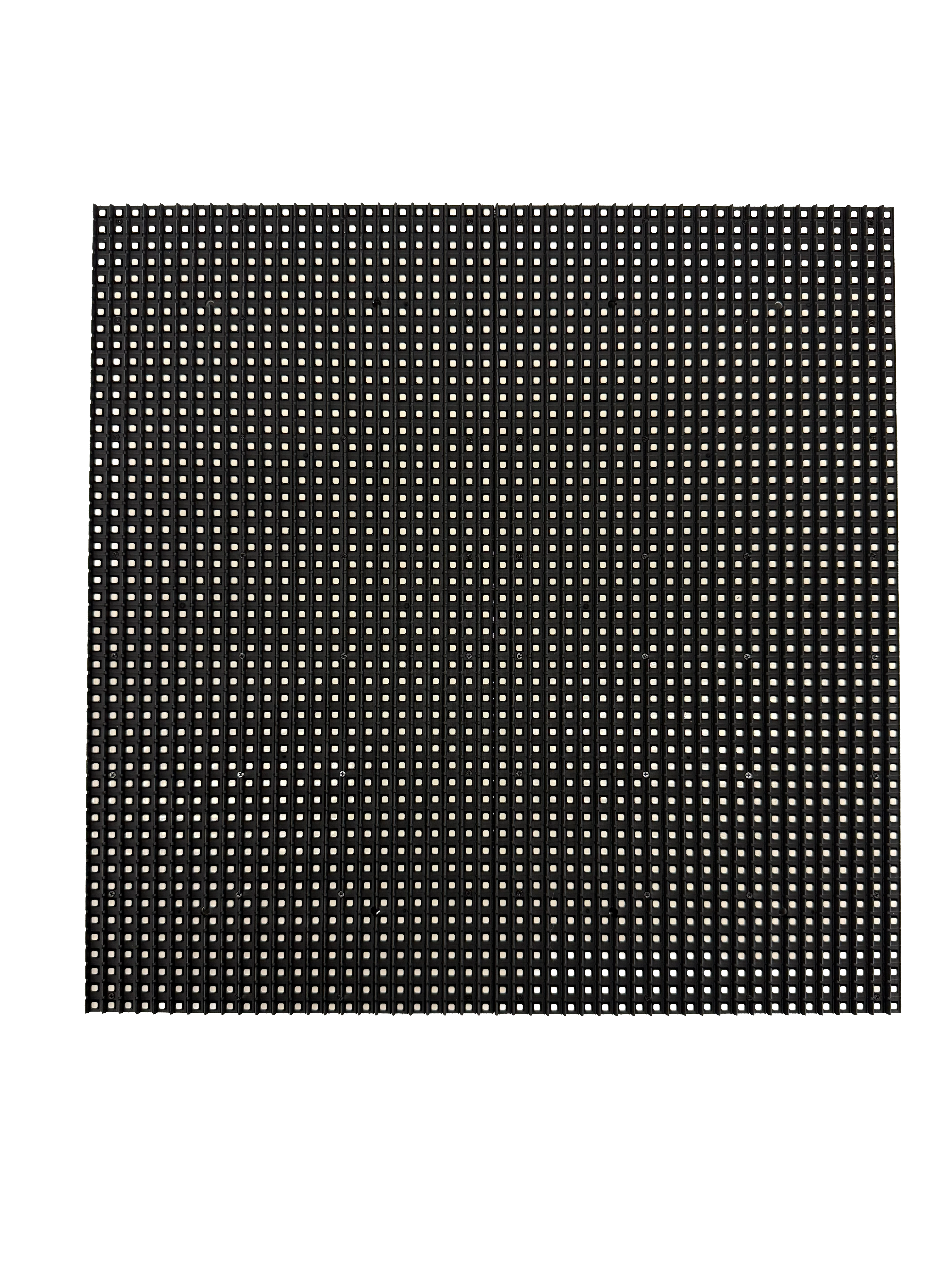
We are living in an era of micro-LEDs and COB (Chip on Board) technology. When you stick with a P16 pitch, you are essentially trying to run a modern racing game on a black-and-white television. The "screen door effect"—where you can see the gaps between the LEDs—is painful to the modern consumer.
If your display is meant to engage customers, a P16 pitch often creates a "distance" between the brand and the viewer. New tech allows for pitches as low as 0.9mm, making digital displays look like seamless wallpaper rather than a collection of lightbulbs.
Conclusion: Don't Get Left in the Pixels
Choosing a P16 today is like buying a flip phone in the age of AI. While it might still "work," it fails to meet the visual expectations of today's audience. If you want your content to pop, your colors to blend, and your message to be clear, it's time to shrink the pitch and grow your impact.